
Stainless Steel vs Plastic Lunch Box: Which Is Better for Daily Use and Better for Nutrition?
Choosing between a stainless steel and a plastic lunch box can affect food safety, durability, and convenience. This guide compares both options to help you decide which lunch box best suits your daily needs and lifestyle.
LIFESTYLE
Created By: LSG
7/13/20264 min read
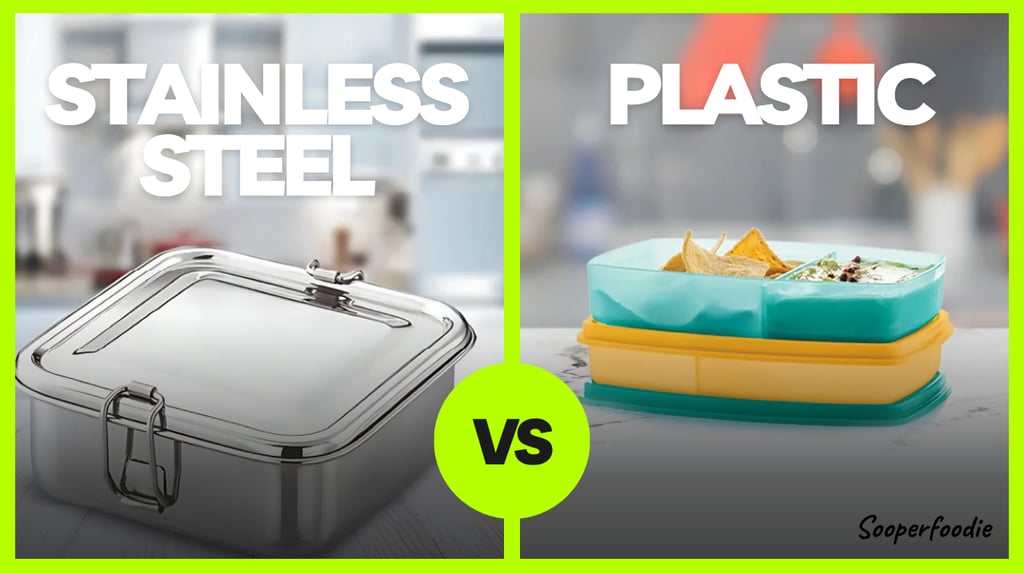
Stainless Steel vs Plastic Lunch Box: Which Is Better for Daily Use and Better for Nutrition?
Choosing the right lunch box may seem like a small decision, but it can have a significant impact on your daily routine, food safety, and even the quality of the meals you eat. Whether you're packing lunch for work, school, college, or travel, the container you use plays an important role in keeping food fresh and safe.
Among the most popular options available today, stainless steel and plastic lunch boxes dominate the market. While both have their own advantages, many people wonder which one is healthier, more durable, and better for preserving nutrition.
In this guide, we'll compare stainless steel and plastic lunch boxes in detail to help you make the right choice.
Why Your Lunch Box Matters
A lunch box is more than just a storage container. It protects your food from contamination, helps maintain freshness, and makes it easier to carry meals throughout the day.
The ideal lunch box should:
Keep food safe and fresh.
Be easy to clean.
Last for years.
Be free from harmful chemicals.
Suit your everyday lifestyle.
Let's see how stainless steel and plastic compare.
Stainless Steel Lunch Boxes
Stainless steel lunch boxes have become increasingly popular due to their durability, safety, and eco-friendly nature.
Advantages of Stainless Steel Lunch Boxes
1. Excellent Food Safety
One of the biggest benefits of stainless steel is that it is non-reactive with most foods. It doesn't release chemicals into your meals during regular use, making it a reliable choice for daily food storage.
2. Better for Preserving Food Quality
Although no lunch box can increase the nutritional value of your food, stainless steel helps maintain its original quality by providing a stable storage environment. It does not absorb oils, odors, or stains that could affect future meals.
3. Highly Durable
A quality stainless steel lunch box can last for many years. Unlike plastic containers, it does not crack, warp, or become brittle with regular use.
4. Eco-Friendly
Since stainless steel products have a long lifespan and are fully recyclable, they generate significantly less waste compared to disposable or frequently replaced plastic containers.
5. Easy to Clean
Stainless steel surfaces resist staining and odors, making them easier to clean after storing foods like curries, sauces, or spicy dishes.
Disadvantages of Stainless Steel Lunch Boxes
Usually more expensive than plastic.
Slightly heavier.
Not microwave-safe.
Can dent if dropped from a significant height.
Plastic Lunch Boxes
Plastic lunch boxes remain popular because they are affordable, lightweight, and available in many shapes and sizes.
Advantages of Plastic Lunch Boxes
1. Lightweight
Plastic lunch boxes are easy to carry, making them suitable for children and commuters.
2. Budget-Friendly
Plastic containers are generally less expensive, making them an economical choice for families.
3. Microwave Compatibility
Many modern plastic lunch boxes are microwave-safe, allowing convenient reheating. However, users should always check the manufacturer's instructions before microwaving.
4. Variety of Designs
Plastic lunch boxes come in numerous colors, sizes, and compartment designs to suit different meal preferences.
Disadvantages of Plastic Lunch Boxes
Can become scratched over time.
May absorb food odors and stains.
Lower-quality plastics may degrade with repeated exposure to heat.
Generally have a shorter lifespan than stainless steel.
Which Lunch Box Is Better for Nutrition?
This is one of the most common questions among buyers.
The truth is that a lunch box does not add nutrients to your food. Vitamins, minerals, protein, carbohydrates, and healthy fats come from the ingredients you eat—not from the container.
However, the lunch box you choose can influence how well your food maintains its quality during storage.
Stainless steel is generally preferred because it:
Does not absorb food residues or odors.
Resists staining.
Remains stable through years of use.
Is less likely to degrade with repeated daily use.
The biggest factors affecting nutrition are:
The freshness of the ingredients.
Proper cooking methods.
Safe storage temperatures.
The amount of time food is stored before eating.
Which Is Better for Kids?
Parents often prefer stainless steel lunch boxes because they are:
Durable enough for daily school use.
Easy to clean.
Resistant to stains from sauces and curries.
Long-lasting.
Plastic lunch boxes can also be suitable, particularly for younger children who benefit from a lighter container. Choosing high-quality, food-grade plastic and replacing damaged containers when needed helps maintain food safety.
Which Is Better for Office Use?
Professionals often choose stainless steel because it offers:
A premium appearance.
Greater durability.
Better resistance to daily wear and tear.
Long-term cost savings.
If microwave reheating is essential, some people use a microwave-safe container for reheating while storing or transporting food in stainless steel.
Environmental Impact
Stainless steel has a clear advantage when it comes to sustainability.
A single stainless steel lunch box can last for many years, reducing waste and the need for frequent replacements. Plastic lunch boxes often have a shorter lifespan and may need replacing once they become scratched, warped, or cracked.
Choosing reusable products with a long service life can help reduce environmental impact.
Tips for Choosing the Best Lunch Box
When buying a lunch box, consider the following:
Select food-grade materials from reputable manufacturers.
Choose leak-proof lids if carrying liquids.
Pick the right size for your meals.
Look for multiple compartments if you prefer portion control.
Clean thoroughly after every use.
Replace containers that show significant wear or damage.
Final Verdict
Both stainless steel and plastic lunch boxes have their advantages, but if you're looking for the best option for daily use, durability, food safety, and long-term value, stainless steel is generally the better choice.
Plastic lunch boxes remain a practical option when lightweight design, lower cost, or microwave compatibility are priorities. Choosing a high-quality, food-grade plastic container and using it according to the manufacturer's recommendations can make it a safe and convenient solution.
Ultimately, the most nutritious lunch comes from healthy ingredients, balanced meals, and proper food storage. Pairing those habits with a reliable lunch box—especially a well-made stainless steel one—can help keep your meals fresh, enjoyable, and ready whenever you need them.


