
Is It Okay to Consume a Small Amount of Ghee Before a Large Snack?
Discover whether consuming a small amount of ghee before a large snack is healthy. Learn about its effects on fullness, blood sugar, digestion, weight management, potential benefits, and precautions, backed by nutrition science and practical tips for a balanced diet.
HEALTHY EATING
Created By: LSG
7/4/20264 min read

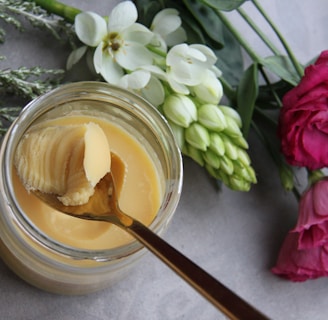
Is It Okay to Consume a Small Amount of Ghee Before a Large Snack?
Ghee has been a staple in many traditional cuisines for centuries. In recent years, it has gained popularity among health-conscious individuals, with claims ranging from improved digestion to better blood sugar control. One question that often comes up is whether consuming a small amount of ghee before a large snack is actually beneficial.
The short answer is: Yes, it is generally okay for most healthy individuals to consume a small amount of ghee before a large snack. However, the health benefits depend on the quantity, your overall diet, and your personal health goals.
In this article, we'll explore the science behind ghee, its potential benefits before a snack, possible drawbacks, and who should exercise caution.
What Is Ghee?
Ghee is a type of clarified butter made by simmering butter until the water evaporates and the milk solids separate. The remaining golden liquid is rich in butterfat and has a distinctive nutty flavor.
Unlike regular butter, ghee contains very little lactose and casein, making it easier to tolerate for some people who are sensitive to dairy proteins or lactose.
A typical teaspoon (about 5 grams) of ghee contains:
Around 45 calories
Approximately 5 grams of fat
Mostly saturated fat
Small amounts of vitamins A, E, and K
Why Do People Eat Ghee Before Food?
Many traditional health practices recommend consuming a small amount of ghee before meals. Modern nutrition suggests a few possible reasons why this practice may have some benefits.
1. It May Increase Fullness
Fat is digested more slowly than carbohydrates. Even a small amount of ghee may slightly delay stomach emptying, helping you feel satisfied for a longer period.
If you're about to eat a large snack, especially one that's high in carbohydrates, taking about one teaspoon of ghee beforehand may reduce the urge to overeat.
However, the effect is modest and should not be considered a weight-loss strategy by itself.
2. It May Help Slow Carbohydrate Absorption
When carbohydrates are eaten alongside fat, digestion can occur more gradually.
This may help:
Reduce rapid spikes in blood sugar
Provide more sustained energy
Improve satiety after eating
The benefit is greatest when the snack also includes protein and fiber, not just fat.
3. It Provides Healthy Cooking Fat
Although ghee is rich in saturated fat, it also contains:
Butyric acid, a short-chain fatty acid that supports the cells lining the colon
Conjugated linoleic acid (CLA) in small amounts, particularly in grass-fed ghee
Fat-soluble vitamins
These nutrients contribute to overall nutrition but are present in relatively small quantities.
4. It Enhances Flavor
One practical advantage of ghee is its taste.
Adding a teaspoon of ghee to foods such as roasted vegetables, whole grains, or warm snacks can improve flavor and satisfaction, making it easier to enjoy nutritious foods.
Can Ghee Improve Digestion?
Many traditional systems of medicine describe ghee as beneficial for digestion.
Modern scientific evidence is less definitive.
Some potential reasons include:
Fat stimulates digestive secretions.
Butyric acid supports gut cell health.
Ghee may help lubricate foods, making them more enjoyable to eat.
However, there is currently no strong clinical evidence that consuming a teaspoon of ghee before meals significantly improves digestion in healthy adults.
Can Ghee Help Control Blood Sugar?
This is one of the most common claims.
A small amount of fat before or alongside a carbohydrate-rich meal may reduce the rate at which glucose enters the bloodstream.
However, it's important to understand that:
Ghee alone is not a treatment for diabetes.
It cannot compensate for a diet high in refined carbohydrates.
Protein and fiber generally have a greater impact on blood sugar control than fat alone.
If your snack consists of chips, sweets, or sugary drinks, adding ghee is unlikely to make it a healthy choice.
Is It Good for Weight Loss?
Some people believe consuming ghee before meals helps reduce calorie intake.
The reality is more nuanced.
Potential Benefits
May slightly reduce hunger
May improve satisfaction after eating
Can encourage slower eating
Potential Drawbacks
Ghee is extremely calorie-dense.
Just one tablespoon contains roughly 120 calories.
If you're adding ghee before meals without reducing calories elsewhere, it may contribute to weight gain over time.
For weight management, portion size remains essential.
How Much Ghee Is Appropriate?
For most healthy adults:
1 teaspoon (5 grams) before a snack or meal is generally reasonable.
Larger amounts provide more calories and saturated fat without proportionally greater benefits.
Moderation is key.
When Might It Be Helpful?
Consuming a small amount of ghee before a snack may be beneficial if:
You're eating a high-carbohydrate snack.
You want to feel fuller for longer.
You enjoy the taste and digest it well.
You're following a balanced diet overall.
When Should You Be Careful?
You should limit or discuss ghee intake with a healthcare professional if you have:
High LDL ("bad") cholesterol
Cardiovascular disease
A history of pancreatitis
Gallbladder disease
A medically prescribed low-fat diet
Although recent research suggests saturated fat may not affect everyone equally, major dietary guidelines still recommend consuming it in moderation.
Better Alternatives for Staying Full
If your primary goal is appetite control, consider pairing your snack with:
Greek yogurt
Boiled eggs
Nuts and seeds
Fresh fruit
Vegetables with hummus
Whole-grain crackers with nut butter
These foods provide protein, fiber, and healthy fats, which generally promote fullness more effectively than fat alone.
Practical Tips
If you'd like to try consuming ghee before a large snack:
Stick to about one teaspoon.
Avoid eating it in addition to an already high-fat meal.
Pair your snack with protein and fiber.
Monitor how you feel afterward.
Keep your overall daily calorie intake in mind.
The Bottom Line
For most healthy people, consuming a small amount of ghee before a large snack is perfectly acceptable and may offer modest benefits, such as increased fullness and slightly slower carbohydrate absorption. However, these effects are relatively small and should not be viewed as a shortcut to weight loss or blood sugar control.
The greatest benefits come from eating a balanced snack that combines protein, fiber, healthy fats, and minimally processed carbohydrates. Ghee can certainly be part of a healthy diet, but like any calorie-dense fat, it is best enjoyed in moderation.
Ultimately, the quality of your overall diet matters far more than whether you consume a teaspoon of ghee before a snack